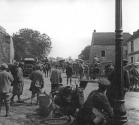
De ma collection.
From my collection.
ww1 luxembourg 1915. Le Godat.
luxembourg farm.
Hermonville
Photos of the Ruins of Villers Franqueux
Re: Photos of the Ruins of Villers Franqueux
- Pièces jointes
-
- ww1 air map Hermonville 24 5 1918 small.jpg (755.95 Kio) Consulté 440 fois
-
- ww1 lux vf farm.jpg (405.38 Kio) Consulté 440 fois
-
- ww1 lux vf farm. area.jpg (142.11 Kio) Consulté 440 fois
-
- ww1 luxembourg 1915. Le Godat.jpg (644.29 Kio) Consulté 440 fois
Re: Photos of the Ruins of Villers Franqueux
Bonjour,
voici une photo de ma collection : une tranchée de la Première Guerre mondiale sur la route 44, entre Cauroy et Hermonville, au Luxembourg.
Hello,
From my collection
ww1 trench on road route 44 Luxembourg Cauroy - Hermonville
Luxembourg farm
voici une photo de ma collection : une tranchée de la Première Guerre mondiale sur la route 44, entre Cauroy et Hermonville, au Luxembourg.
Hello,
From my collection
ww1 trench on road route 44 Luxembourg Cauroy - Hermonville
Luxembourg farm
- Pièces jointes
-
- WW1 Luxembourg back of pc 3a.jpg (55.68 Kio) Consulté 433 fois
-
- ww1 trench on road route 44 Luxembourg Cauroy - Hermonville. close up 1a.jpg (203.32 Kio) Consulté 433 fois
-
- WW1 Luxembourg house 2a.jpg (94.14 Kio) Consulté 433 fois
Re: Photos of the Ruins of Villers Franqueux
Bonjour
S'agirait-il d'une de ses cartes postales ? Sans date.
l'envahisseur nous savons nous défendre
Merci d'avance pour votre aide.
Cordialement,
Keith
Hello.
Could this be one of his postcards. no date
We know how to defend ourselves against the invader.
Thank you for any help.
Regards
Keith
S'agirait-il d'une de ses cartes postales ? Sans date.
l'envahisseur nous savons nous défendre
Merci d'avance pour votre aide.
Cordialement,
Keith
Hello.
Could this be one of his postcards. no date
We know how to defend ourselves against the invader.
Thank you for any help.
Regards
Keith
- Pièces jointes
-
- ww1 french pc1 back.jpg (190.12 Kio) Consulté 335 fois
-
- ww1 french postcard. front 1bb.jpg (92.68 Kio) Consulté 335 fois
Re: Photos of the Ruins of Villers Franqueux
Bonjour,
De sa part en 1914. Merci pour votre aide. Somme?
Keith
Hello,
From him in 1914. Somme?
Thanks for your help.
Keith
De sa part en 1914. Merci pour votre aide. Somme?
Keith
Hello,
From him in 1914. Somme?
Thanks for your help.
Keith
- Pièces jointes
-
- ww1 1914 french.jpg (232.79 Kio) Consulté 331 fois

Re: Photos of the Ruins of Villers Franqueux
Bonjour,
Pour la carte de vœux :
Félix Burnichon né en 1907 à Thiers, fils de Annette dite Anaïs Pacaud et de Jean Joseph Burnichon
A suivre...
Pour la carte de vœux :
Félix Burnichon né en 1907 à Thiers, fils de Annette dite Anaïs Pacaud et de Jean Joseph Burnichon
- Burnichon Jean.jpg (13.65 Kio) Consulté 318 fois
- Recensement Thiers.jpg (38.35 Kio) Consulté 318 fois
Re: Photos of the Ruins of Villers Franqueux
Dernière carte : peux-t-on voir le recto ?, la légende pourrait être " Pris (la photo) du côté de la Somme" + 1 mot à déterminer.
Last card: can we see the front ? The caption might be "Taken (the photo) on the Somme side" + 1 word to be determined.
" Le 29 décembre 1914
Cher frère, chère belle-sœur, à l’occasion du nouvel an, je viens vous souhaiter une bonne et heureuse année en espérant que bientôt je pourrais vous embrasser de grand cœur. Nous sommes toujours en 1ere lignes et je vous assure que ça devient pénible. Pour Noël, les boches ont chanté et joués de la musique dans leur tranché et les français sont allés la veille planter l’arbre de Noël à peine à 100 mètres de leur tranché. Il y a presque tous les jours duel d’artillerie et chez nous chose curieuse, il n’y a encore pas de victime.
Je vous embrasse bien fort. "
Dear brother and sister-in-law, as the New Year arrives, I want to wish you a happy and prosperous year, hoping that I will soon be able to give you a heartfelt embrace. We are still on the front lines, and I assure you, it is becoming grueling. At Christmas, the Boches sang and played music in their trenches, while the French had gone out the day before to set up a Christmas tree barely 100 meters from their lines. There are artillery duels almost every day, yet—curiously enough—we haven't had any casualties so far.
Sending you my warmest love.
Last card: can we see the front ? The caption might be "Taken (the photo) on the Somme side" + 1 word to be determined.
" Le 29 décembre 1914
Cher frère, chère belle-sœur, à l’occasion du nouvel an, je viens vous souhaiter une bonne et heureuse année en espérant que bientôt je pourrais vous embrasser de grand cœur. Nous sommes toujours en 1ere lignes et je vous assure que ça devient pénible. Pour Noël, les boches ont chanté et joués de la musique dans leur tranché et les français sont allés la veille planter l’arbre de Noël à peine à 100 mètres de leur tranché. Il y a presque tous les jours duel d’artillerie et chez nous chose curieuse, il n’y a encore pas de victime.
Je vous embrasse bien fort. "
Dear brother and sister-in-law, as the New Year arrives, I want to wish you a happy and prosperous year, hoping that I will soon be able to give you a heartfelt embrace. We are still on the front lines, and I assure you, it is becoming grueling. At Christmas, the Boches sang and played music in their trenches, while the French had gone out the day before to set up a Christmas tree barely 100 meters from their lines. There are artillery duels almost every day, yet—curiously enough—we haven't had any casualties so far.
Sending you my warmest love.
Re: Photos of the Ruins of Villers Franqueux
Bonjour,
En considérant que toutes les cartes présentées proviennent d’un même foyer.
La carte de vœux de Felix et sa maman adressée à son oncle et tante me permet l’analyse suivante, Jean Joseph BURNICHON n’est pas l’auteur des cartes ni le destinataire. D’ailleurs sur l’une des cartes F. BURNICHON va écrire à Jean.
La fratrie tous descendant de BURNICHON Victor Auguste et BUTHAUD Marie se compose à l’entrée en guerre de :
- Sébastien Félix BURNICHON né le 10/04/1876 à Bourg de Thizy marié le 17 janvier 1903 à Roanne, avec Marie LURELLE
https://archives.loire.fr/ark:/51302/vt ... R1395_0687
- Auguste BURNICHON né le 13/06/1879 à Bourg de Thizy (DCD avant 1916) marié le 7 juillet 1900 à Roanne avec Marie MOISSONIER (dcd 08/12/0915 à Lyon 4eme)
- François Auguste BURNICHON né le 22/08/1883 à Bourg de Thizy marié le 22 octobre 1908 à Roanne avec Hortense Alexandrine BUTTY
François est réformé : https://archives.loire.fr/ark:/51302/vt ... R1507_0313
- Jean Joseph BURNICHON né le 13/11/1884 à Bourg de Thizy marié le 19 août 1905, à Thiers avec Annette PACAUD (Surnom Anaïs, présent sur l’acte de mariage)
https://archives.loire.fr/ark:/51302/vt ... R1520_0851
Je pense que l’auteur des cartes est Sébastien Félix qu’il signe Félix. Témoin au mariage de Jean, c’est le patronyme Félix qu’il a utilisé. Ses courriers sont envoyés à son frère François réformé.
Il est affecté au 104e régiment d’infanterie territoriale qui est présent à Luxembourg et Villers-Franqueux comme décrit dans les cartes postales. Le JMO montre que ses compagnies sont régulièrement en 1ere ligne, notamment lors de l’attaque du 16 et 17 février où elles ont tenu les tranchées pendant l’offensive des 39e, 5e et 148e régiment d’infanterie.
Assuming that all of the postcards shown originated from the same household.
The New Year's greeting card from Felix and his mother to his uncle and aunt leads me to the following conclusion: Jean Joseph BURNICHON was neither the author nor the recipient of the postcards. In fact, on one of the postcards, F. BURNICHON writes directly to Jean.
The siblings, all children of Victor Auguste BURNICHON and Marie BUTHAUD, consisted of the following at the outbreak of the First World War:
- Sébastien Félix BURNICHON, born 10 April 1876 in Bourg-de-Thizy, married Marie LURELLE on 17 January 1903 in Roanne.
https://archives.loire.fr/ark:/51302/vt ... R1395_0687
- Auguste BURNICHON, born 13 June 1879 in Bourg-de-Thizy (deceased before 1916), married Marie MOISSONIER on 7 July 1900 in Roanne. Marie died on 8 December 1915 in Lyon (4th arrondissement).
- François Auguste BURNICHON, born 22 August 1883 in Bourg-de-Thizy, married Hortense Alexandrine BUTTY on 22 October 1908 in Roanne.
François was declared exempt from military service:
https://archives.loire.fr/ark:/51302/vt ... R1507_0313
- Jean Joseph BURNICHON, born 13 November 1884 in Bourg-de-Thizy, married Annette PACAUD (whose nickname, Anaïs, appears on the marriage record) on 19 August 1905 in Thiers.
https://archives.loire.fr/ark:/51302/vt ... R1520_0851
I believe that the author of the postcards was Sébastien Félix BURNICHON, who signed simply "Félix." As a witness at Jean's wedding, he was identified by the given name Félix, suggesting that this was the name by which he was commonly known. His postcards were sent to his brother François, who had been exempted from military service.
Sébastien Félix served with the 104th Territorial Infantry Regiment (104e Régiment d'Infanterie Territoriale), which was stationed in Luxembourg and Villers-Franqueux, exactly as described in the postcards. The regiment's War Diary (Journal des Marches et Opérations, JMO) shows that its companies were regularly deployed on the front line, particularly during the attacks of 16-17 February, when they held the trenches in support of the offensive carried out by the 39th, 5th, and 148th Infantry Regiments.
Bon week-end, F. Danès
En considérant que toutes les cartes présentées proviennent d’un même foyer.
La carte de vœux de Felix et sa maman adressée à son oncle et tante me permet l’analyse suivante, Jean Joseph BURNICHON n’est pas l’auteur des cartes ni le destinataire. D’ailleurs sur l’une des cartes F. BURNICHON va écrire à Jean.
La fratrie tous descendant de BURNICHON Victor Auguste et BUTHAUD Marie se compose à l’entrée en guerre de :
- Sébastien Félix BURNICHON né le 10/04/1876 à Bourg de Thizy marié le 17 janvier 1903 à Roanne, avec Marie LURELLE
https://archives.loire.fr/ark:/51302/vt ... R1395_0687
- Auguste BURNICHON né le 13/06/1879 à Bourg de Thizy (DCD avant 1916) marié le 7 juillet 1900 à Roanne avec Marie MOISSONIER (dcd 08/12/0915 à Lyon 4eme)
- François Auguste BURNICHON né le 22/08/1883 à Bourg de Thizy marié le 22 octobre 1908 à Roanne avec Hortense Alexandrine BUTTY
François est réformé : https://archives.loire.fr/ark:/51302/vt ... R1507_0313
- Jean Joseph BURNICHON né le 13/11/1884 à Bourg de Thizy marié le 19 août 1905, à Thiers avec Annette PACAUD (Surnom Anaïs, présent sur l’acte de mariage)
https://archives.loire.fr/ark:/51302/vt ... R1520_0851
Je pense que l’auteur des cartes est Sébastien Félix qu’il signe Félix. Témoin au mariage de Jean, c’est le patronyme Félix qu’il a utilisé. Ses courriers sont envoyés à son frère François réformé.
Il est affecté au 104e régiment d’infanterie territoriale qui est présent à Luxembourg et Villers-Franqueux comme décrit dans les cartes postales. Le JMO montre que ses compagnies sont régulièrement en 1ere ligne, notamment lors de l’attaque du 16 et 17 février où elles ont tenu les tranchées pendant l’offensive des 39e, 5e et 148e régiment d’infanterie.
Assuming that all of the postcards shown originated from the same household.
The New Year's greeting card from Felix and his mother to his uncle and aunt leads me to the following conclusion: Jean Joseph BURNICHON was neither the author nor the recipient of the postcards. In fact, on one of the postcards, F. BURNICHON writes directly to Jean.
The siblings, all children of Victor Auguste BURNICHON and Marie BUTHAUD, consisted of the following at the outbreak of the First World War:
- Sébastien Félix BURNICHON, born 10 April 1876 in Bourg-de-Thizy, married Marie LURELLE on 17 January 1903 in Roanne.
https://archives.loire.fr/ark:/51302/vt ... R1395_0687
- Auguste BURNICHON, born 13 June 1879 in Bourg-de-Thizy (deceased before 1916), married Marie MOISSONIER on 7 July 1900 in Roanne. Marie died on 8 December 1915 in Lyon (4th arrondissement).
- François Auguste BURNICHON, born 22 August 1883 in Bourg-de-Thizy, married Hortense Alexandrine BUTTY on 22 October 1908 in Roanne.
François was declared exempt from military service:
https://archives.loire.fr/ark:/51302/vt ... R1507_0313
- Jean Joseph BURNICHON, born 13 November 1884 in Bourg-de-Thizy, married Annette PACAUD (whose nickname, Anaïs, appears on the marriage record) on 19 August 1905 in Thiers.
https://archives.loire.fr/ark:/51302/vt ... R1520_0851
I believe that the author of the postcards was Sébastien Félix BURNICHON, who signed simply "Félix." As a witness at Jean's wedding, he was identified by the given name Félix, suggesting that this was the name by which he was commonly known. His postcards were sent to his brother François, who had been exempted from military service.
Sébastien Félix served with the 104th Territorial Infantry Regiment (104e Régiment d'Infanterie Territoriale), which was stationed in Luxembourg and Villers-Franqueux, exactly as described in the postcards. The regiment's War Diary (Journal des Marches et Opérations, JMO) shows that its companies were regularly deployed on the front line, particularly during the attacks of 16-17 February, when they held the trenches in support of the offensive carried out by the 39th, 5th, and 148th Infantry Regiments.
Bon week-end, F. Danès
Dernière modification par Fdanes le lun. juil. 27, 2026 6:49 am, modifié 1 fois.

Re: Photos of the Ruins of Villers Franqueux
Bonjour à tous,
Un modeste complément de ma part.
Lorsque F. Danès a établi le patronyme BURNICHON, j'ai également épluché, hier après-midi, les registres et autres JMO, et je suis parvenu à la même conclusion que lui. Mais, distrait par les magnifiques images du Tour de France, je suis arrivé deuxième de l'étape. Lorsque j'ai voulu partager mes conclusions sur l'identité de ce soldat Burnichon, F. Danès avait déjà publié sa propre enquête.
Voici une synthèse très abrégée de mes recherches.
Je pense que son identification est correcte. L'auteur de la première carte postale indique que son régiment va « remplacer l'active ». Dans le second texte, il évoque les « jeunes du 39e de ligne », ce qui désigne manifestement un soldat plus âgé servant dans un régiment territorial. La référence au vin restreint également l'aire de provenance géographique. Le 104e RIT de Roanne apparaît très tôt dans ce fil, repéré par notre ami britannique.
Je suis également d'accord avec l'identification, par élimination, des différents membres de cette fratrie Burnichon. Je note que le frère, Jean Joseph Burnichon, soldat au 3e régiment d'artillerie à pied, est mort pour la France le 28 septembre 1918.
Bravo à F. Danès pour son exceptionnelle enquête sur l'identité du soldat Burnichon, et merci à Keith pour le partage de ces documents remarquables.
Mon message se termine par une courte analyse du niveau de langue du soldat Burnichon.
Just a modest contribution from my side.
When F. Danès identified the surname BURNICHON, I also spent yesterday afternoon combing through the records and war diaries (JMO), and reached exactly the same conclusion. Unfortunately, distracted by the magnificent Tour de France coverage, I only managed second place in the stage! By the time I was ready to post my findings on the identity of this soldier, F. Danès had already published his own investigation.
Here is a very brief summary of my own conclusions.
I believe his identification is correct. In the first postcard, the writer says that his regiment is about to "replace the active army". In the second letter, he refers to the "young men of the 39th Line Regiment", clearly suggesting that he himself was an older soldier serving in a Territorial regiment. The reference to wine also helps to narrow down his geographical origins. The 104th Territorial Infantry Regiment (104e RIT) from Roanne was identified very early in this discussion by our British friend.
I also agree with the process of elimination used to identify the correct member of the Burnichon family. I would simply add that Burnichon's brother, Jean Joseph Burnichon, who served with the 3rd Foot Artillery Regiment, was killed in action on 28 September 1918.
Congratulations to F. Danès on his outstanding investigation into the identity of Soldier Burnichon, and many thanks to Keith for sharing these remarkable documents.
I shall finish with a brief assessment of Burnichon's written French. This is not easy for a non-native speaker to assess.
The letters suggest a modest but solid level of literacy, very typical of a French infantryman in 1915. Burnichon writes clearly and coherently, but without any literary ambition. He is fully literate, well beyond the simple "able to read and write" classification ("sait lire et écrire") found on French military records. He writes long, grammatically complete sentences and organises his thoughts logically. There is no indication that someone else wrote the letters for him.
His style is straightforward and direct. He uses everyday vocabulary and familiar expressions rather than elaborate language. The tone is warm, practical and matter-of-fact.
His education probably did not extend beyond the primary-school curriculum of the French Third Republic. By 1915, however, that education gave many working-class men a sound command of reading and writing, and Burnichon's letters are good examples of this.
Have a nice week-end.
Kind regards / Bien cordialement.
Eric
Un modeste complément de ma part.
Lorsque F. Danès a établi le patronyme BURNICHON, j'ai également épluché, hier après-midi, les registres et autres JMO, et je suis parvenu à la même conclusion que lui. Mais, distrait par les magnifiques images du Tour de France, je suis arrivé deuxième de l'étape. Lorsque j'ai voulu partager mes conclusions sur l'identité de ce soldat Burnichon, F. Danès avait déjà publié sa propre enquête.
Voici une synthèse très abrégée de mes recherches.
Je pense que son identification est correcte. L'auteur de la première carte postale indique que son régiment va « remplacer l'active ». Dans le second texte, il évoque les « jeunes du 39e de ligne », ce qui désigne manifestement un soldat plus âgé servant dans un régiment territorial. La référence au vin restreint également l'aire de provenance géographique. Le 104e RIT de Roanne apparaît très tôt dans ce fil, repéré par notre ami britannique.
Je suis également d'accord avec l'identification, par élimination, des différents membres de cette fratrie Burnichon. Je note que le frère, Jean Joseph Burnichon, soldat au 3e régiment d'artillerie à pied, est mort pour la France le 28 septembre 1918.
Bravo à F. Danès pour son exceptionnelle enquête sur l'identité du soldat Burnichon, et merci à Keith pour le partage de ces documents remarquables.
Mon message se termine par une courte analyse du niveau de langue du soldat Burnichon.
- Screenshot_20260725_215843_Chrome.jpg (682.69 Kio) Consulté 166 fois
Just a modest contribution from my side.
When F. Danès identified the surname BURNICHON, I also spent yesterday afternoon combing through the records and war diaries (JMO), and reached exactly the same conclusion. Unfortunately, distracted by the magnificent Tour de France coverage, I only managed second place in the stage! By the time I was ready to post my findings on the identity of this soldier, F. Danès had already published his own investigation.
Here is a very brief summary of my own conclusions.
I believe his identification is correct. In the first postcard, the writer says that his regiment is about to "replace the active army". In the second letter, he refers to the "young men of the 39th Line Regiment", clearly suggesting that he himself was an older soldier serving in a Territorial regiment. The reference to wine also helps to narrow down his geographical origins. The 104th Territorial Infantry Regiment (104e RIT) from Roanne was identified very early in this discussion by our British friend.
I also agree with the process of elimination used to identify the correct member of the Burnichon family. I would simply add that Burnichon's brother, Jean Joseph Burnichon, who served with the 3rd Foot Artillery Regiment, was killed in action on 28 September 1918.
Congratulations to F. Danès on his outstanding investigation into the identity of Soldier Burnichon, and many thanks to Keith for sharing these remarkable documents.
I shall finish with a brief assessment of Burnichon's written French. This is not easy for a non-native speaker to assess.
The letters suggest a modest but solid level of literacy, very typical of a French infantryman in 1915. Burnichon writes clearly and coherently, but without any literary ambition. He is fully literate, well beyond the simple "able to read and write" classification ("sait lire et écrire") found on French military records. He writes long, grammatically complete sentences and organises his thoughts logically. There is no indication that someone else wrote the letters for him.
His style is straightforward and direct. He uses everyday vocabulary and familiar expressions rather than elaborate language. The tone is warm, practical and matter-of-fact.
His education probably did not extend beyond the primary-school curriculum of the French Third Republic. By 1915, however, that education gave many working-class men a sound command of reading and writing, and Burnichon's letters are good examples of this.
Have a nice week-end.
Kind regards / Bien cordialement.
Eric
- Pièces jointes
-
- Screenshot_20260725_215526_Chrome.jpg (781.98 Kio) Consulté 166 fois
-
- 1876 - 4E6267 - Lot 1 - Média 6 - Archives du département du Rhône et de la métropole de Lyon.jpg (831.54 Kio) Consulté 166 fois
-
- FRAD042_47_1R1395_0687.jpg (1000.57 Kio) Consulté 166 fois
Re: Photos of the Ruins of Villers Franqueux
Bonjour,
Complément d'information sur le 104e RIT à Villers-Franqueux, avec traduction en anglais. Extrait de l'historique du régiment, Roanne 1920, source bibliothèque numérique L'Argonnaute.
HISTORIQUE DU 104e D'INFANTERIE TERRITORIALE
Du 8 novembre 1914 au 11 juin 1915.
Du 8 novembre au 11 juin 1915, le secteur de Villers-Franqueux est occupé par le régiment. Chaque nuit, une compagnie est désignée pour le travail aux tranchées, en avant de la ferme du Luxembourg. Les bataillons passent successivement huit jours au secteur de Villers, huit jours au repos, huit jours au secteur du Luxembourg.
Le 23 décembre, le commandant Tallon, du 3e bataillon, est promu lieutenant-colonel à titre temporaire et maintenu au commandement du régiment qu'il exerçait depuis le 19. Le lieutenant-colonel Richard d'Abnour venait d'être envoyé en congé pour cause de maladie, laissant à son départ des regrets unanimes.
Pendant cette longue période, le 104e s'initie progressivement à la garde des tranchées et au service des guetteurs. Il devient expert dans la construction et l'aménagement de tranchées, boyaux et abris de toutes sortes, ainsi que dans la confection et la mise en place des défenses accessoires, des masques et de tous les engins improvisés que comporte la guerre de tranchées.
Il prend part aux patrouilles exécutées en avant de la ligne et subit de très fréquents bombardements sans broncher, tant aux tranchées qu'aux cantonnements de repos.
Le 16 février, un bataillon participe à une attaque de diversion tentée par trois bataillons actifs (des 5e, 39e et 148e R. I.). Le 13 mars, une attaque ennemie est repoussée dans le secteur du Luxembourg.
Tout en s'habituant peu à peu au contact de l'ennemi, les territoriaux améliorent progressivement les conditions de leur existence, malgré les rigueurs de l'hiver et les obligations du service ; les cuisines sont rapprochées de la première ligne, les mulets de bât des mitrailleuses remplacent avantageusement les voitures dans le ravitaillement quotidien des compagnies en ligne.
Le régiment entreprend une longue suite de travaux (création de postes d'eau, de fontaines, consolidation d'abris) qu'il reprendra inlassablement dans tous ses cantonnements futurs, souvent au profit de ses successeurs, mais toujours avec la même bonne volonté et le même souci de servir l'intérêt commun.
Pendant cette première période de séjour au front, le régiment a perdu par le feu soixante-quatre gradés et hommes, dont dix-sept tués, parmi lesquels le capitaine Gomot, de la 9e compagnie.
A translation in English:
History of the 104th Territorial Infantry Regiment
8 November 1914 – 11 June 1915
From 8 November 1914 until 11 June 1915, the regiment held the Villers-Franqueux sector. Each night, one company was detailed for trench-working parties in front of Luxembourg Farm. The battalions rotated through periods of eight days in the Villers sector, eight days resting, and eight days in the Luxembourg sector.
On 23 December, Major Tallon, commanding the 3rd Battalion, was promoted temporary lieutenant-colonel and confirmed in command of the regiment, a post he had held since the 19th. Lieutenant-Colonel Richard d'Abnour had been granted sick leave, leaving the regiment to the unanimous regret of all ranks.
During this lengthy period, the 104th gradually became accustomed to trench duty and sentry duty. It acquired considerable skill in the construction and improvement of trenches, communication trenches and dugouts of every description, as well as in the making and installation of wire entanglements, protective screens and the many improvised devices characteristic of trench warfare.
The regiment also took part in patrols in front of the line and endured frequent enemy bombardments without flinching, both in the trenches and while in rest billets.
On 16 February, one battalion participated in a diversionary attack carried out by three active battalions (from the 5th, 39th and 148th Infantry Regiments). On 13 March, an enemy attack in the Luxembourg sector was successfully repulsed.
As they gradually became accustomed to life in close proximity to the enemy, the territorials steadily improved their living conditions despite the hardships of winter and the demands of military service. Field kitchens were brought closer to the front line, while the machine-gun pack mules proved far more practical than the regiment's transport wagons for the daily supply of the companies holding the line.
The regiment also undertook an extensive programme of works, including the creation of water points and installations, and the strengthening of dugouts. It would continue these improvements tirelessly in every sector it subsequently occupied, often for the benefit of the units that relieved it, always displaying the same willingness and the same concern for the common good.
During this first period of front-line service, the regiment suffered sixty-four casualties from enemy fire among its officers, NCOs and men, including seventeen killed. Among the dead was Captain Gomot of the 9th Company.
Kind regards / Bien cordialement.
Eric
Complément d'information sur le 104e RIT à Villers-Franqueux, avec traduction en anglais. Extrait de l'historique du régiment, Roanne 1920, source bibliothèque numérique L'Argonnaute.
HISTORIQUE DU 104e D'INFANTERIE TERRITORIALE
Du 8 novembre 1914 au 11 juin 1915.
Du 8 novembre au 11 juin 1915, le secteur de Villers-Franqueux est occupé par le régiment. Chaque nuit, une compagnie est désignée pour le travail aux tranchées, en avant de la ferme du Luxembourg. Les bataillons passent successivement huit jours au secteur de Villers, huit jours au repos, huit jours au secteur du Luxembourg.
Le 23 décembre, le commandant Tallon, du 3e bataillon, est promu lieutenant-colonel à titre temporaire et maintenu au commandement du régiment qu'il exerçait depuis le 19. Le lieutenant-colonel Richard d'Abnour venait d'être envoyé en congé pour cause de maladie, laissant à son départ des regrets unanimes.
Pendant cette longue période, le 104e s'initie progressivement à la garde des tranchées et au service des guetteurs. Il devient expert dans la construction et l'aménagement de tranchées, boyaux et abris de toutes sortes, ainsi que dans la confection et la mise en place des défenses accessoires, des masques et de tous les engins improvisés que comporte la guerre de tranchées.
Il prend part aux patrouilles exécutées en avant de la ligne et subit de très fréquents bombardements sans broncher, tant aux tranchées qu'aux cantonnements de repos.
Le 16 février, un bataillon participe à une attaque de diversion tentée par trois bataillons actifs (des 5e, 39e et 148e R. I.). Le 13 mars, une attaque ennemie est repoussée dans le secteur du Luxembourg.
Tout en s'habituant peu à peu au contact de l'ennemi, les territoriaux améliorent progressivement les conditions de leur existence, malgré les rigueurs de l'hiver et les obligations du service ; les cuisines sont rapprochées de la première ligne, les mulets de bât des mitrailleuses remplacent avantageusement les voitures dans le ravitaillement quotidien des compagnies en ligne.
Le régiment entreprend une longue suite de travaux (création de postes d'eau, de fontaines, consolidation d'abris) qu'il reprendra inlassablement dans tous ses cantonnements futurs, souvent au profit de ses successeurs, mais toujours avec la même bonne volonté et le même souci de servir l'intérêt commun.
Pendant cette première période de séjour au front, le régiment a perdu par le feu soixante-quatre gradés et hommes, dont dix-sept tués, parmi lesquels le capitaine Gomot, de la 9e compagnie.
- Extrait historique du 104e RIT. Source bibliothèque numérique L'Argonnaute, Nanterre, France.
- Screenshot_20260726_152247_Chrome.jpg (427.13 Kio) Consulté 124 fois
A translation in English:
History of the 104th Territorial Infantry Regiment
8 November 1914 – 11 June 1915
From 8 November 1914 until 11 June 1915, the regiment held the Villers-Franqueux sector. Each night, one company was detailed for trench-working parties in front of Luxembourg Farm. The battalions rotated through periods of eight days in the Villers sector, eight days resting, and eight days in the Luxembourg sector.
On 23 December, Major Tallon, commanding the 3rd Battalion, was promoted temporary lieutenant-colonel and confirmed in command of the regiment, a post he had held since the 19th. Lieutenant-Colonel Richard d'Abnour had been granted sick leave, leaving the regiment to the unanimous regret of all ranks.
During this lengthy period, the 104th gradually became accustomed to trench duty and sentry duty. It acquired considerable skill in the construction and improvement of trenches, communication trenches and dugouts of every description, as well as in the making and installation of wire entanglements, protective screens and the many improvised devices characteristic of trench warfare.
The regiment also took part in patrols in front of the line and endured frequent enemy bombardments without flinching, both in the trenches and while in rest billets.
On 16 February, one battalion participated in a diversionary attack carried out by three active battalions (from the 5th, 39th and 148th Infantry Regiments). On 13 March, an enemy attack in the Luxembourg sector was successfully repulsed.
As they gradually became accustomed to life in close proximity to the enemy, the territorials steadily improved their living conditions despite the hardships of winter and the demands of military service. Field kitchens were brought closer to the front line, while the machine-gun pack mules proved far more practical than the regiment's transport wagons for the daily supply of the companies holding the line.
The regiment also undertook an extensive programme of works, including the creation of water points and installations, and the strengthening of dugouts. It would continue these improvements tirelessly in every sector it subsequently occupied, often for the benefit of the units that relieved it, always displaying the same willingness and the same concern for the common good.
During this first period of front-line service, the regiment suffered sixty-four casualties from enemy fire among its officers, NCOs and men, including seventeen killed. Among the dead was Captain Gomot of the 9th Company.
Kind regards / Bien cordialement.
Eric
- Pièces jointes
-
- 104e RIT, capitaine Gomot.
Acte de décès, décédé à Villers-Franqueux le 13 février 1915 à deux heures du soir, tué par un éclat d'obus. Témoins lieutenant-colonel Tallon, commandant le 104e régiment territorial d’infanterie, et capitaine Peillon. Mention mort pour la France.
Archives municipales de Chavroches (Allier, France) ; archives départementales en ligne de l'Allier.
104th Territorial Infantry Regiment (104e RIT) — Captain Gomot. Death certificate recording that he died at Villers-Franqueux on 13 February 1915 at two o'clock in the afternoon, having been killed by a shell splinter. Witnesses: Lieutenant-Colonel Tallon, commanding the 104th Territorial Infantry Regiment (104e RIT), and Captain Peillon. The certificate bears the official inscription Mort pour la France ("Died for France"). Municipal Archives of Chavroches (Allier, France); Allier Departmental Archives (online). - Screenshot_20260727_155923_Chrome.jpg (533.81 Kio) Consulté 45 fois
-
- Le Journal de Roanne du 14 mars 1915 relate l'enterrement du capitaine Gomot du 104e RIT, notaire dans le civil, inhumé provisoirement au cimetière de Villers-Franqueux. Source BnF / Gallica.
The Journal de Roanne of 14 March 1915 reports a solemn memorial service for Captain Gomot of the 104th Territorial Infantry Regiment (104e RIT), a notary in civilian life, who was temporarily buried in the cemetery at Villers-Franqueux. His officers and men paid him the last honours.
Source: BnF / Gallica. - Screenshot_20260727_143718_Chrome.jpg (456.78 Kio) Consulté 53 fois
-
- Capitaine Gomot du 104e RIT, tué le 13 février 1915 à la ferme de Luxembourg près de Villers-Franqueux. Fait Chevalier de la Légion d'honneur à titre posthume. La Semaine de Cusset-Vichy, 10 juillet 1920, source BnF / Gallica.
Captain Gomot of the 104th Territorial Infantry Regiment (104e RIT), killed on 13 February 1915 at Luxembourg Farm, close to Villers-Franqueux. Posthumously appointed a Knight of the Legion of Honour. La Semaine de Cusset-Vichy, 10 July 1920. Source: BnF / Gallica. - Screenshot_20260727_142838_Chrome.jpg (619.68 Kio) Consulté 53 fois